Pelvic Organ Prolapse: Symptoms, Prevention & Treatment
Everything You Need to Know About Prolapse and Pressure (and How to Move Without Making It Worse)
If you’ve been told you have a prolapse (or you suspect you might), one of the most confusing parts is hearing advice like “don’t lift,” “don’t run,” or “avoid pressure.” What does pressure actually mean? And does having a prolapse mean you need to stop exercising, carrying your child, or doing daily life?
At Papaya Clinic, we focus on helping people understand what’s happening in the body—so you can make practical changes that reduce symptoms and support pelvic health, without living in fear of movement.
This guide covers what prolapse is, what “pressure” means, why symptoms fluctuate, and how to manage internal pressures in a way that supports your pelvic floor.
What is pelvic organ prolapse?
Pelvic organ prolapse (POP) happens when one or more pelvic organs (bladder, uterus, bowel) move downward and create a sense of heaviness, bulging, or dragging in the vagina. This occurs when the support system—pelvic floor muscles, connective tissues (fascia/ligaments), and the way pressure is managed through the abdomen and pelvis—can’t meet the demands being placed on it (at least not consistently).
Common types include:
Anterior wall prolapse (cystocele): bladder support changes
Posterior wall prolapse (rectocele): bowel/rectum support changes
Uterine prolapse: uterus descends
Vault prolapse: after hysterectomy, the top of the vagina loses support
Prolapse is common, especially postpartum and around perimenopause/menopause, but it is also widely misunderstood. A diagnosis doesn’t automatically mean things will “get worse.” Symptoms can improve significantly when pressure, strength, and load management are addressed.
The “pressure” conversation: what people mean (and what matters)
“Pressure” is often used as a catch-all word, but there are different kinds of pressure and not all of them are harmful.
1) Intra-abdominal pressure (IAP)
This is the pressure generated inside your abdomen. You create it every time you:
breathe
cough or sneeze
laugh
get up from a chair
lift something
exercise
IAP is not the enemy—it’s normal. The goal is pressure management, meaning the pressure is directed and shared well through your trunk system (diaphragm, abdominal wall, pelvic floor, back), rather than repeatedly “bearing down” into the pelvic floor.
2) Downward pressure / bearing down
This is the pattern many people feel during constipation, heavy lifting with breath-holding, or certain exercise strategies. If pressure repeatedly pushes downward and the pelvic floor can’t respond effectively, symptoms may increase.
3) Symptom “pressure”
Many people describe prolapse symptoms as “pressure” or heaviness. That sensation can be influenced by:
fatigue
hormones (especially around menstruation and menopause)
constipation and bloating
prolonged standing/walking
stress and breath patterns
higher training loads without enough recovery
It’s common for symptoms to fluctuate day-to-day.
Why pressure affects prolapse symptoms
Your pelvic floor is part of a pressure system. Ideally:
the diaphragm moves down on inhale
the ribcage and abdominal wall expand to accommodate pressure
the pelvic floor lengthens and responds elastically (not rigidly)
on exhale, the system recoils and the pelvic floor can lift and support
Problems often arise when someone unconsciously:
holds breath (Valsalva)
braces hard in the belly without coordination
tucks the pelvis strongly (“gripping” glutes) and loses pelvic floor responsiveness
constantly sucks the stomach in
pushes out with strain (to poo or during exercise)
These strategies can increase downward load on pelvic tissues and increase symptoms—not because you created pressure, but because the pressure wasn’t managed and distributed well.
Key symptom signs your pressure strategy may need adjusting
During or after certain activities, you might notice:
increased heaviness or dragging
a bulge sensation that’s new or more noticeable
more urinary leakage
difficulty emptying bladder or bowel
aching in pelvis/lower back
These aren’t “you’re broken” signs. They’re feedback that your current strategy/load might be exceeding your support capacity today.
Practical ways to manage pressure with prolapse (without avoiding life)
1) Start with the bowel: constipation is a major pressure driver
Repeated straining is one of the most consistent sources of downward pressure.
Helpful basics:
aim for soft, formed stool (often a hydration + fibre + routine combination)
use a footstool (knees above hips) for easier bowel mechanics
exhale gently instead of breath-holding
avoid “just in case” pushing
If you have ongoing constipation, it’s worth addressing it directly—it can change prolapse symptoms dramatically.
2) Learn “exhale on effort”
For many people with prolapse, a simple first-line strategy is:
exhale during the hardest part of the movement (stand, lift, push, pull)
avoid holding your breath
keep the throat/jaw relaxed (a surprisingly useful cue)
This doesn’t mean you’ll never brace. It means you’re building coordination first, then adding load progressively.
3) Coordinate ribcage + abs (not just “pull in”)
A common misunderstanding is that “core” means sucking the belly in. Instead, think:
360° expansion on inhale (ribcage and abdomen widen gently)
controlled exhale with abdominal wall engagement that feels supportive—not crushing
The goal is a trunk that can adapt to pressure, not fight it.
4) Train pelvic floor function as part of movement
Pelvic floor training isn’t only “squeeze and lift.” Depending on the person, rehab may include:
strength (yes, sometimes that’s needed)
relaxation and lengthening (often overlooked)
coordination with breath
endurance for daily life
timing with load (lifting, walking, running)
Many people with prolapse either over-grip constantly or struggle to generate support. Assessment matters because the strategy is different.
5) Modify exercises temporarily—then rebuild
Not all exercise needs to be avoided. But certain movements may be worth adjusting while symptoms are sensitive:
heavy lifts with breath-holding
high-impact jumping/running without progressions
intense abdominal doming/bulging during core work
deep fatigue sessions with poor recovery
A good plan usually looks like:
reduce symptom triggers short-term
rebuild capacity with better strategy
gradually reintroduce higher loads/impact if desired
This is how people return to strength training and sport safely—without guessing.
Is it safe to lift weights or run with prolapse?
Often: yes, with the right approach.
The best question isn’t “Is running bad?” or “Are squats bad?” It’s:
What is your current symptom threshold?
How is your breath and pressure strategy?
How strong and responsive is your pelvic floor and trunk?
What’s your bowel health, sleep, stress, and recovery like?
Are you progressing load intelligently?
Prolapse-friendly training is usually individualised. Two people can have the same “stage” of prolapse and completely different symptoms and capacities.
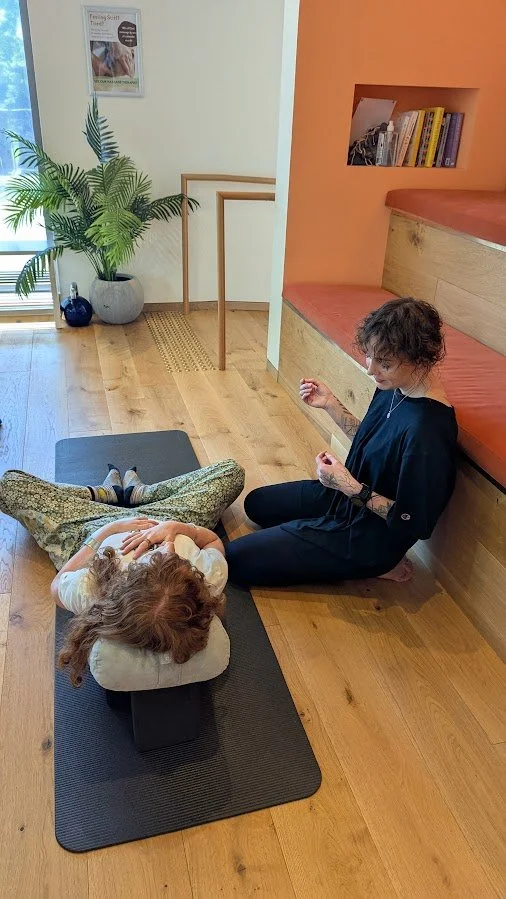
When to seek a pelvic health assessment
When to seek a pelvic health assessment
Consider a pelvic health physio assessment if you:
feel a bulge or heaviness that worries you
have leakage, urgency, or trouble emptying bladder/bowels
are postpartum and symptoms persist beyond early recovery
are entering perimenopause/menopause and symptoms are increasing
want to return to lifting/running without fear
are unsure if you’re over-tight, weak, or uncoordinated
A good assessment should look beyond “do Kegels” and include breathing, ribcage mechanics, trunk strategy, bowel habits, and your real-life goals.
The takeaway: pressure is normal—management is the skill
Having a prolapse doesn’t mean you must stop moving. It means your body is asking for:
better pressure distribution
better coordination between diaphragm/abs/pelvic floor
smart load progression
bowel support and reduced strain
a plan that fits your life
If you’d like personalised guidance, Papaya Clinic can assess your prolapse symptoms, pelvic floor function, and pressure strategies—then help you return to daily life and exercise with confidence.
This article is for general education only and is not a substitute for personalised medical advice.