What Is Pelvic Pain?
This article is for general education only and is not a substitute for personalised medical advice.

Pelvic pain is one of those symptoms too many women are told to simply put up with.
It gets dismissed at appointments, minimised (even by well-meaning people), and quietly endured in daily life.
But pelvic pain is common - and it's not something you have to live with.
What Is It?
Pelvic pain is any pain felt in the lower abdomen, pelvis, or perineum - below your belly button and between your hips. It might be acute (sudden and short-lived) or chronic (lasting three months or more). It can feel like cramping, pressure, stabbing, heaviness, or burning. It might be tied to your cycle, or present every single day.
What Causes It?
There's rarely one single answer. Pelvic pain can come from several different systems:
Gynaecological - endometriosis, adenomyosis, fibroids, ovarian cysts, vulvodynia
Pelvic floor dysfunction - muscles that are too tight, too weak, or uncoordinated
Musculoskeletal - pain from the hips, lower back, or sacroiliac joints referring into the pelvis
Gastrointestinal - IBS, constipation, or gut inflammation
Nervous system sensitisation - where the brain amplifies pain signals over time (this is real, recognised, and treatable)
This is exactly why pelvic pain is so often misunderstood - and why treatment needs to look at the whole picture.
"But My Tests Came Back Normal"
You're not alone in hearing this. Ultrasounds and standard blood tests don't catch everything. Endometriosis, pelvic floor dysfunction, and nervous system sensitisation won't show up on a scan at all.
Normal results are not the end of the road. They're a reason to look deeper.
What Can Help?
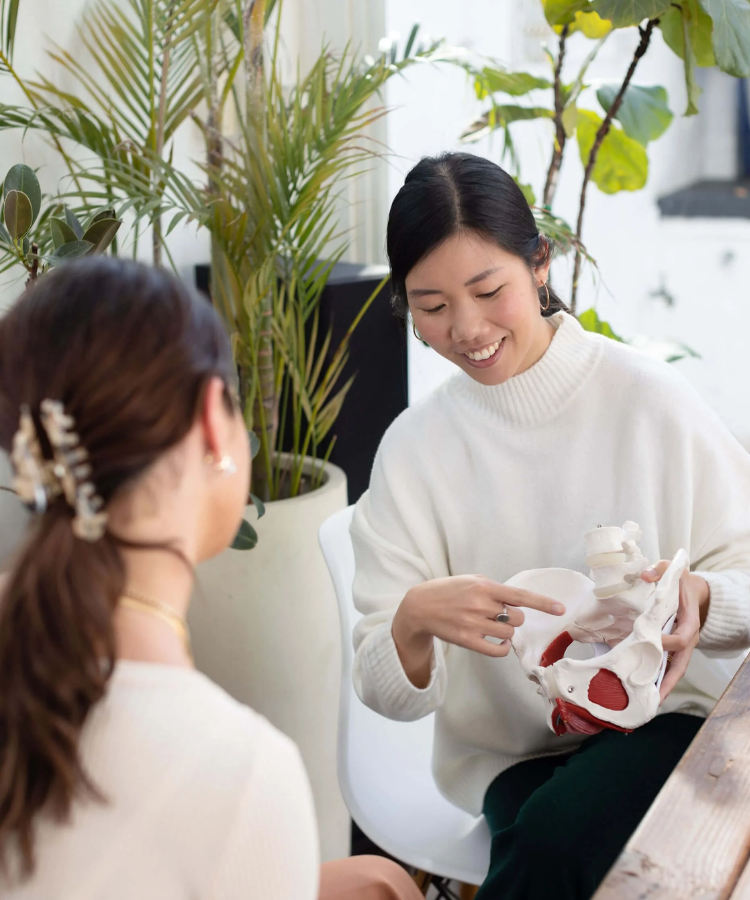
Effective care for pelvic pain is rarely one-dimensional. At Papaya, our team works together to address the physical, hormonal, and emotional layers - because treating one without the others rarely gets lasting results.
This might include pelvic health physiotherapy, acupuncture, naturopathy, counselling, or a combination of all of these - built around you.
You Don't Have to Keep Managing Alone
If pelvic pain is affecting your life - your work, your relationships, your movement, your sleep - it's worth getting proper support. Don't wait until it's "bad enough."
With the right care, most women see real improvement. And you deserve that.
This article is for general education only and is not a substitute for personalised medical advice.