

Menopause and Anxiety: Why It Happens and How to Manage It
Transitioning into menopause is a challenging time for both mental health and overall physical wellbeing. It’s a period of significant change, when reproductive hormones are altering, resulting in mood fluctuations and symptoms of depression. According to Johns Hopkins Medicine, anxiety during menopause is a common symptom caused by irregular and declining levels of hormones like estrogen and progesterone, which affect mood-regulating chemicals in the brain.
Anxiety can be a debilitating ailment that leads to people avoiding social interactions, minimising their time outdoors and changing their routine out of fear that they may have an attack. It’s a leading cause for menopausal women isolating themselves or falling into depression, but rest assured, there are ways to manage it.
Is Anxiety a Normal Part of Menopause?
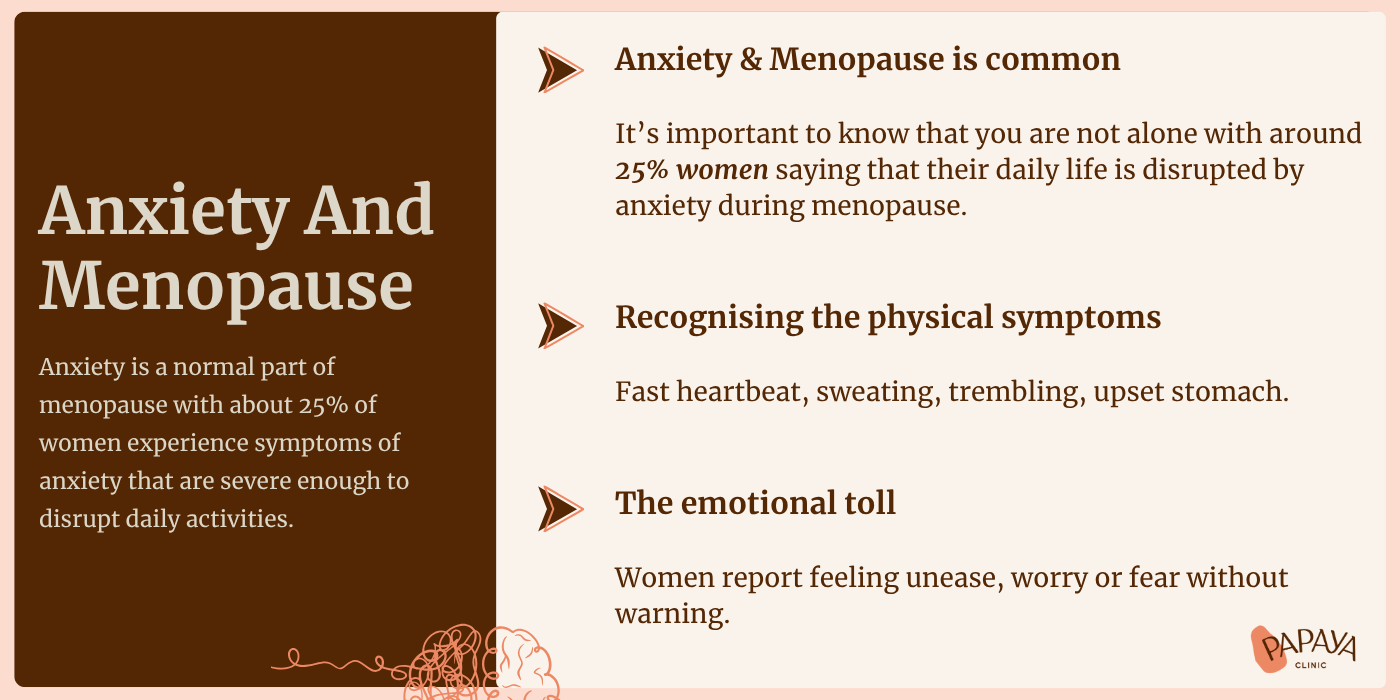
Yes, anxiety is a normal part of menopause. According to the Australian Government Department of Health and Aged Care, about 25% of women experience menopausal symptoms severe enough to disrupt daily activities, and a key one of those symptoms is anxiety.
The physical signs of anxiety include a fast heartbeat, rapid breathing, sweating, trembling, or an upset stomach as part of the body's fight-or-flight response. Then there’s the mental or emotional signs, which for many are the more debilitating. The sense of unease, worry or even fear can come without warning or seemingly devoid of any perceivable cause, and leave you feeling paralysed or unable to think and act clearly.
Why is Menopause Linked with Anxiety?
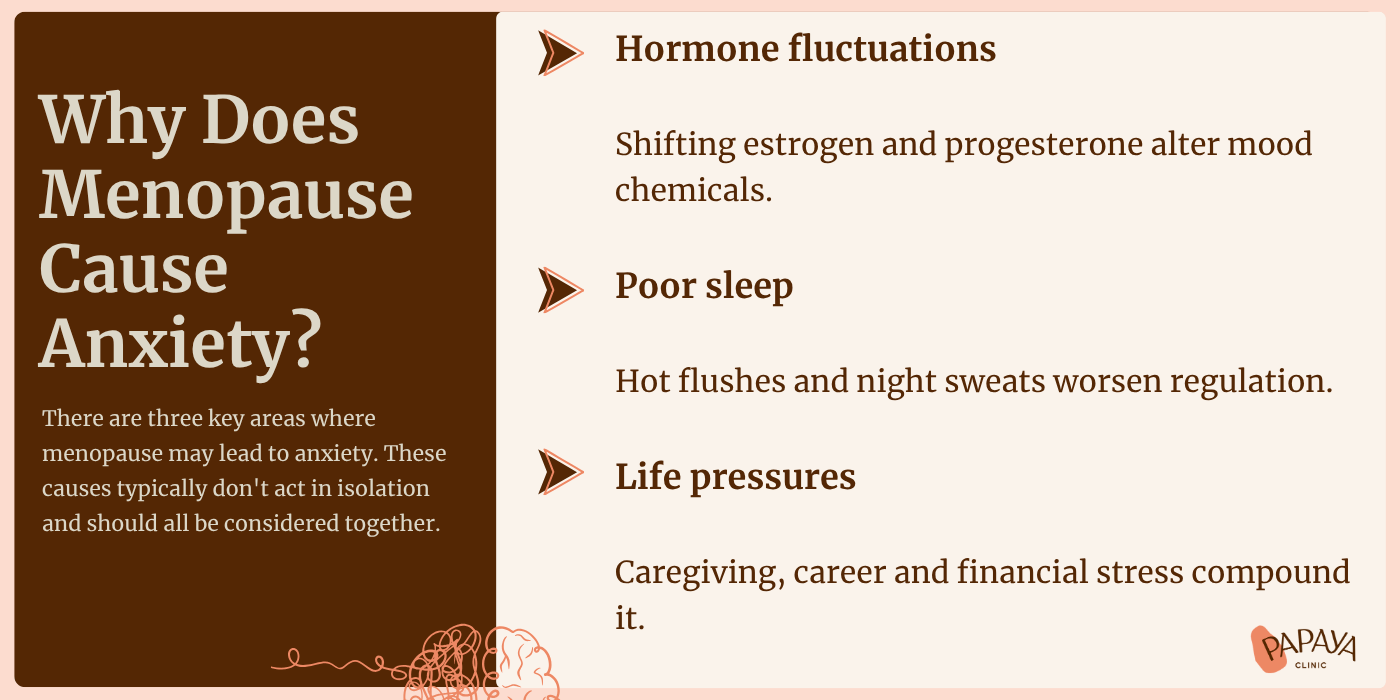
There are three key areas where menopause may lead to feelings of stress and anxiety in women: hormone fluctuations, poor sleep and life pressures. These three causes typically don’t act in isolation, and all of them should be considered when approaching a treatment plan.
Firstly, the hormone fluctuations, namely the rapid drop and shifts in estrogen and progesterone production, alter brain chemicals like serotonin and Gamma-aminobutyric acid (GABA), which control mood and calm the brain. The constant fluctuations in these ‘mood’ hormones can lead to a feeling of unease, increased heart rate and a sense of dread.
Secondly, common symptoms of menopause are hot flushes and night sweats. The discomfort they cause has a tendency to ruin sleep and the resulting fatigue worsens nervous system regulation and increases stress. It can become a revolving door where the two compound each other making recovery very challenging.
A final factor that helps cause anxiety are everyday life pressures. Menopause happens at an age where many people are also responsible for caregiving of teens, children and aging parents, alongside career demands and financial pressure. The Cleveland Clinic in the United States suggests these factors cause added stress and fatigue, which when combined with the above elements can lead to anxiety.
What Does Menopause Anxiety Feel Like?
Menopause anxiety, much like anxiety in general, feels like a sudden wave of intense worry, dread, or physical panic that can happen out of the blue. You don’t necessarily need to have a clear reason for the sensations to come on, instead, they appear without indication and at any time. This is one of the main frustrations for sufferers. One moment they can be enjoying a relaxing tea at a café, and the next they feel nauseous, uneasy or fearful.
According to Johns Hopkins Medicine, the emotional signs of anxiety that can come on rapidly and without warning may also be coupled with more constant feelings that stay with you for extended periods. This may include a persistent, deep feeling that something bad will happen, irritability, being easily annoyed by minor things, and trouble concentrating or switching off at night.
How to Manage Anxiety During Menopause
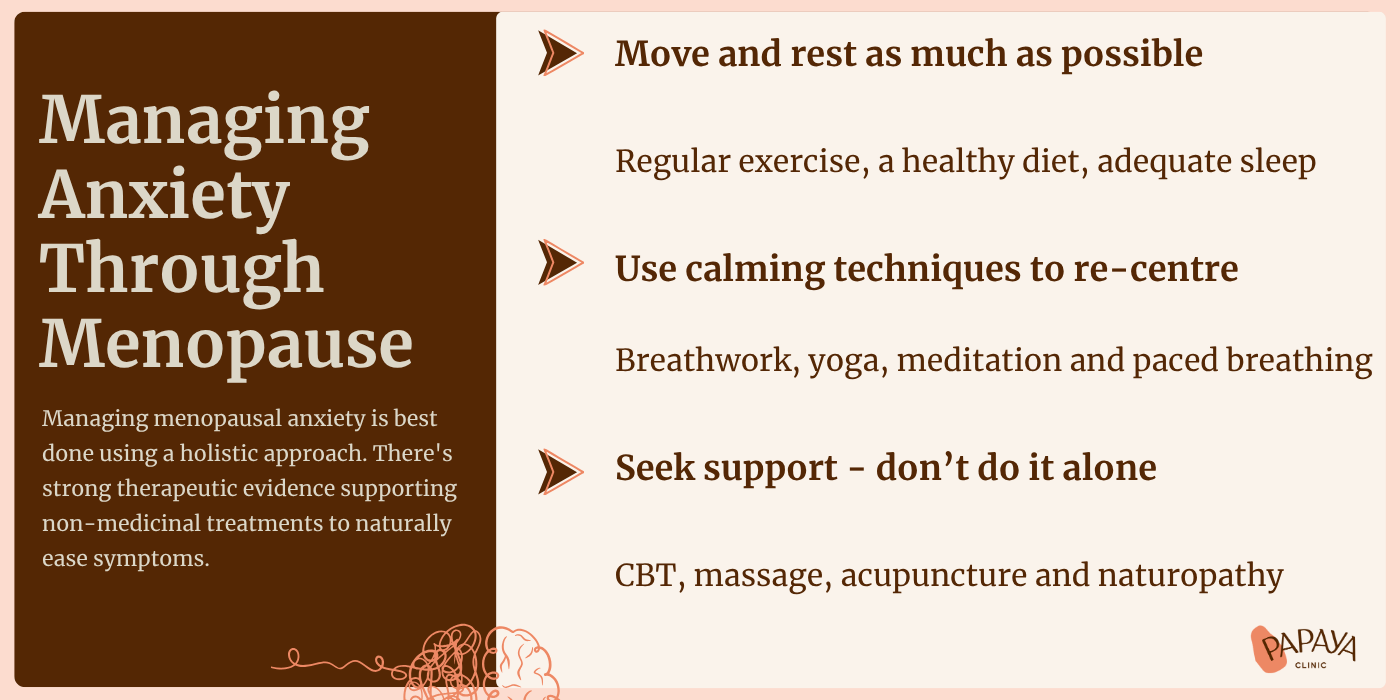
Managing the emotional rollercoaster of menopause, and the feelings of anxiety that are commonly experienced, is best done using a holistic approach. While the use of prescription medication, such as Menopausal Hormone Therapy (MHT or HRT) may help restore estrogen and progesterone levels and in turn stabilize mood and ease the anxiety that’s linked to hormonal shifts, current evidence suggests it helps inconsistently and may work mainly by relieving hot flushes and sleep disruption, rather than acting on anxiety directly.
The above is the same for the use of antidepressants, like selective serotonin reuptake inhibitors (SSRIs) and serotonin-norepinephrine reuptake inhibitors (SNRIs), which are often prescribed for sufferers of anxiety.
There is strong therapeutic evidence to support non-medicinal treatments for menopause induced anxiety. These therapies might include massage, acupuncture, Cognitive Behavioural Therapy (CBT) and techniques like paced breathing, yoga, and meditation. Johns Hopkins Medicine and other leading institutes like the Australasian Menopause Society, suggest that regular exercise, a healthy diet, adequate sleep and stress management techniques (Like breathwork, yoga or meditation) can naturally boost your mood and help ease the symptoms of anxiety.
Taking a non-medicated approach to managing menopausal anxiety is a positive first step towards regaining control over your health and wellbeing at a time when you may feel like you no longer have the ability to manage it. By using holistic therapies, such as regular massage, daily meditation or breathwork, acupuncture and naturopathy, you can curb the symptoms and feel empowered that you’re taking action.
This article is for general education only and not a substitute for personalised medical advice.