It’s not news to anyone that women too often stay silent about their health challenges, especially pelvic pain. If women don’t understand pelvic pain, it means they’re much less likely to seek the support needed to navigate it. In this blog, we’ll unpack the foundations of what pelvic pain is, what it can look like, and what can help.
Where is pelvic pain located?
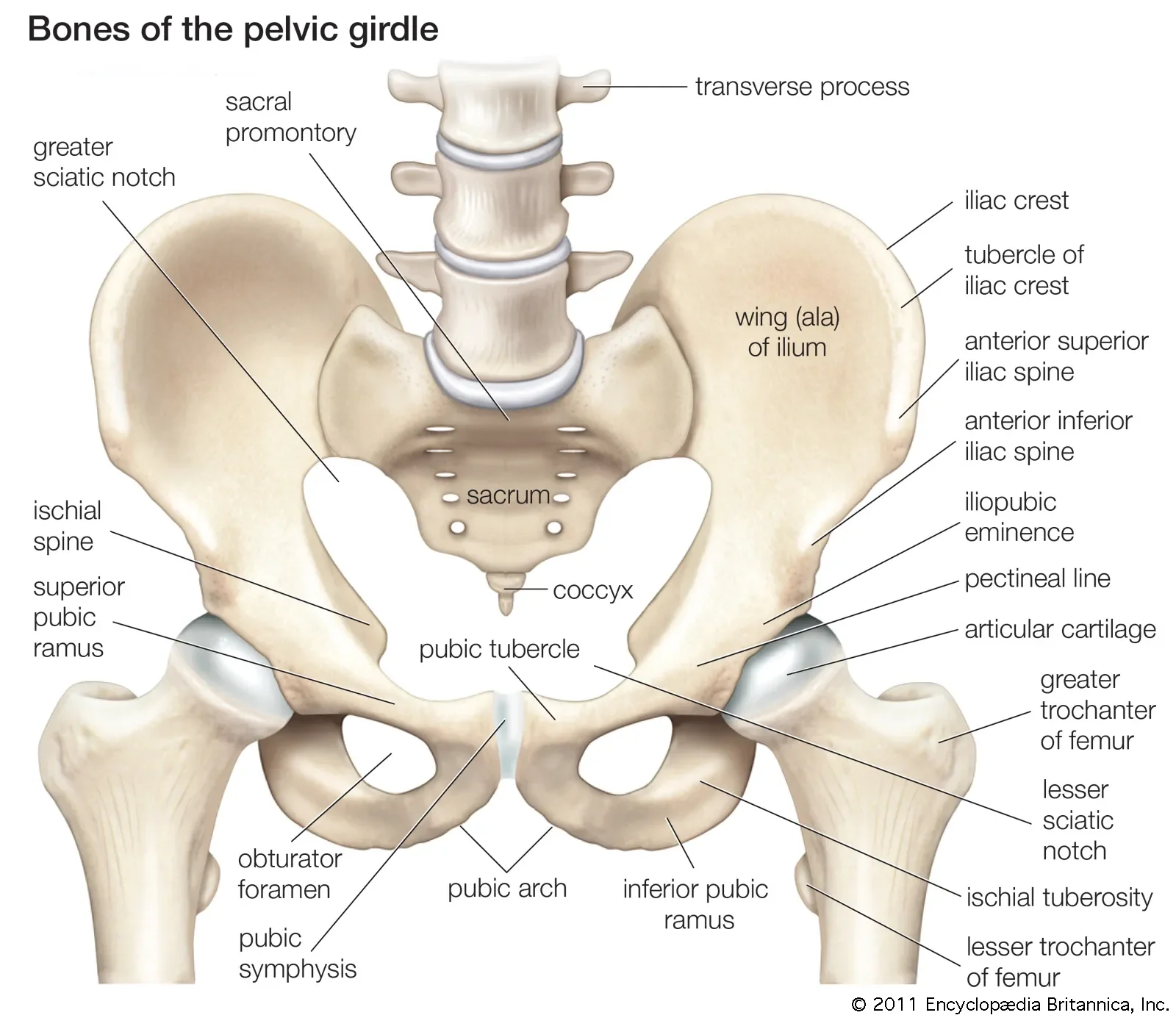
The pelvic region includes your pelvis, hips and lower back region. This includes the bones, muscles, ligaments and other soft tissue; plus internal organs such as the bladder, uterus and bowels.
Pelvic pain can generally be described as any pain around these regions and surrounding areas, including the abdomen and groin.

What can cause pelvic pain?
The causes of pelvic pain in females can widely vary; each woman's experience is unique. Understanding the reasons for pelvic pain is essential for reclaiming control over your health journey and working towards recovery. Pelvic pain can stem from various sources, including gynaecological conditions such as endometriosis, ovarian cysts or fibroids; to musculoskeletal issues such as pelvic floor dysfunction or muscle spasms. Urinary and digestive disorders like interstitial cystitis or irritable bowel syndrome can also contribute to pelvic pain.
Pelvic pain during and after intercourse
Female pelvic pain after intercourse or during intercourse, known as dyspareunia, can be a challenging experience, but it's important to know that you're not alone. Several potential causes exist, including conditions such as endometriosis, pelvic inflammatory disease (PID) or muscle tension. Additionally, insufficient lubrication or inadequate arousal can contribute to discomfort during intercourse, also tissue sensitivity or heightened nervous system due to stress and previous pain episodes can cause normal touch to feel like scratching or burning pain. Be sure to communicate openly with your partner about any discomfort you may be feeling. Your body deserves to feel pleasure and comfort, and advocating for your sexual health is an empowering act of self-care.
Pelvic pain during and after your period - menstrual pain
Is pelvic pain normal during and after your period?
While some level of pelvic discomfort or mild cramping, known as dysmenorrhea, can be common during and after menstruation for many women, severe or persistent pelvic pain is not considered normal. Pelvic pain during and after your period could be a sign of an underlying condition such as endometriosis, adenomyosis, fibroids, pelvic inflammatory disease or other gynaecological issues. If pelvic pain significantly interferes with your daily activities, affects your quality of life, or worsens over time, it's essential to visit a women’s pelvic health physio.
By recognising the potential sources of pelvic pain, you empower yourself to seek the support and guidance needed to address these challenges effectively.
What are some common symptoms of pelvic pain?
Pelvic pain symptoms in women can be diverse and complex. In saying this, there are a few common signs of pelvic pain to be aware of. You might experience a dull ache or sharp stabbing sensations in your lower abdomen or pelvic region. Sometimes, it feels like a heavy pressure that won't go away. Pain during intercourse or discomfort during urination and bowel movements are common, too. For some, menstrual cramps may intensify, and pain could radiate to the lower back or thighs. Spotting or abnormal vaginal bleeding may accompany pelvic pain, and the pain may get worse after long periods of sitting or standing.
What are red flags to keep an eye out for?
Chronic pelvic pain is persistent or recurrent pain that lasts for six months or longer. Unlike acute pelvic pain, which may be temporary and often has a clear cause, chronic pelvic pain can be more complex and challenging to diagnose. For women experiencing chronic pelvic pain, recognising red flags is essential for proactive care.
Signs of chronic pelvic pain in women may include sudden, severe pelvic pain that disrupts daily activities, persistent pain that worsens over time, or pain accompanied by fever, chills or unexplained weight loss. Also, pelvic pain combined with symptoms such as abnormal vaginal bleeding, difficulty urinating or defecating or new-onset neurological symptoms shouldn’t be ignored. If you notice these kinds of symptoms, it’s important to see a medical professional (eg GP, or even ED) promptly.
How do you treat pelvic pain?
When it comes to treating pelvic pain, a personalised approach is essential for effective management. Working with pelvic health physiotherapists at a women’s health clinic is a recommended first step towards improving symptoms and overall management.
The pathway and treatment strategies you employ will vary depending on the underlying cause and your individual needs. Medications such as pain relievers, hormonal therapies and muscle relaxants can help alleviate symptoms, and this can be discussed with your GP or other treating specialist(s). Lifestyle modifications, such as dietary changes and stress management techniques, may also play a significant role in managing pelvic pain.
Pelvic health physiotherapy, including pelvic floor exercises and manual techniques, can strengthen muscles and improve flexibility. Minimally invasive procedures or complementary therapies like acupuncture or massage therapy can provide additional relief.
When should you see a pelvic physio?
You should consider seeing a pelvic pain physiotherapist if you experience pelvic pain that interferes with your daily life, including activities like walking, exercising, working or sexual intercourse. If you've been diagnosed with conditions such as endometriosis, pelvic floor dysfunction, or pelvic inflammatory disease, a pelvic pain physiotherapist can offer specialised treatments to alleviate symptoms and improve quality of life.
Symptoms such as urinary urgency, frequency, bowel disturbances, or pain during intercourse may also indicate the need for pelvic physiotherapy. If conservative treatments like medications or lifestyle changes haven't provided sufficient relief, consulting a pelvic pain physiotherapist can be beneficial in addressing underlying musculoskeletal issues contributing to pelvic pain.
Supporting you through pelvic pain
Your body communicates its needs, and acknowledging and addressing pelvic pain is an important step towards holistic well-being. Papaya Clinic is home to a team of patient-first health professionals who will work with you to develop a comprehensive, tailored pelvic pain treatment plan.
If you’ve been living with pelvic pain, you don’t have to work it out alone. Book a pelvic health physiotherapy appointment at Papaya Clinic in Newtown.
This article is for general education only and not a substitute for personalised medical advice