

Mastitis and blocked ducts - an Overview
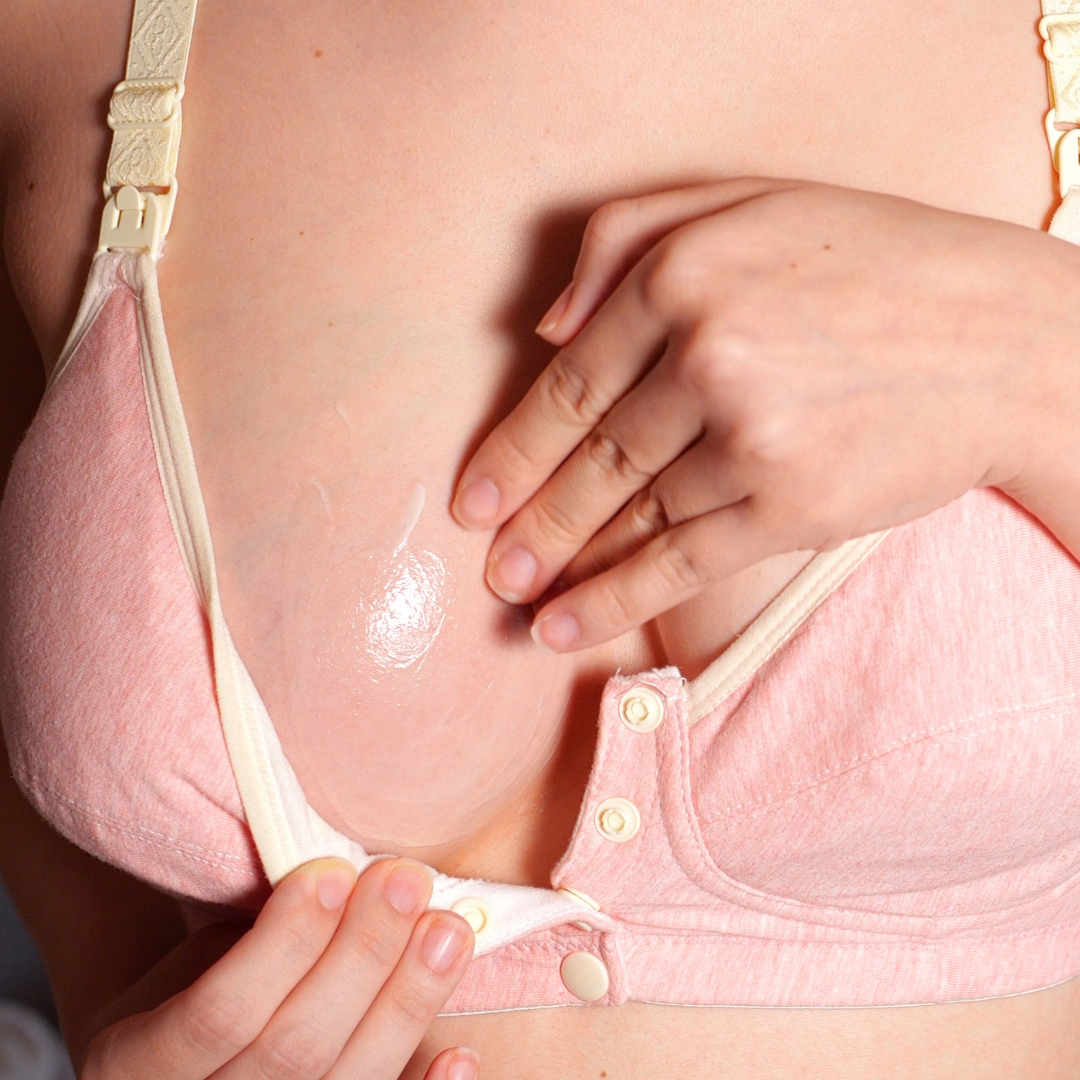
Breast pain during feeding can feel alarming. It often comes on quickly and can make you question whether you should keep going. It can also leave you feeling unwell and overwhelmed.
Most cases are manageable with early, appropriate care. Here is what we want you to understand.
What are blocked ducts?
Blocked ducts occur when there is compression or narrowing in part of the milk duct system.
Milk cannot move through that area easily, so it builds up behind the narrowing. You may feel a firm or tender lump. The area may also look red, feel warm to touch, or be painful to touch or during feeding.
If this blockage isn’t resolved, milk can seep into surrounding tissue. When this tissue becomes inflamed, symptoms can progress into mastitis.
What is mastitis?
Mastitis is inflammation of the breast. It may develop from unresolved duct narrowing (blockage) and milk stasis. It can also occur more broadly when the breast tissue becomes inflamed.
Common symptoms include:
Redness
Swelling
Breast pain
A heavy or aching feeling
Fever
Body aches
A general flu-like feeling
Mastitis can be non-infective or infective.
Non-infective mastitis involves inflammation without bacterial infection.
Infective mastitis involves inflammation with infection and may require antibiotics.
If you feel feverish, shaky, or significantly unwell, you should speak with your GP.
Why does this happen?
Contributing factors can include:
Changes in feeding frequency
Oversupply
Pressure from bras or clothing
Missed feeds
Pumping changes
Fatigue and stress
Often it is not one single cause, but rather a combination of load and tissue irritation.
Importantly, this is not a sign you have done something wrong.

How can physiotherapy help?
At Papaya Clinic, our women’s health physiotherapists assess and treat blocked ducts and mastitis as part of whole-person postnatal care.
A session typically involves three parts.
1. Detailed history
We begin with a thorough discussion about:
Your feeding pattern
Pumping habits
Onset of symptoms
Previous episodes
Breast or nipple pain
General health
We look for contributing factors, small changes often make a meaningful difference.
2. Assessment
We gently assess the affected area, identifying areas of firmness, tenderness, and tissue change.
3. Therapeutic ultrasound
Therapeutic ultrasound is applied to the affected breast tissue.
The probe is moved continuously over the area. It is non-invasive and not painful, you may feel some mild warmth.
Treatment is typically delivered in sessions spaced 24 hours apart.
Most women require between one and four sessions, depending on severity and response.
After ultrasound, gentle techniques may be used to support lymphatic drainage. This can happen both in-clinic, and with at home strategies.
We also provide you with an individualised after-care plan. This may include:
Positioning adjustments
Advice for before and after feeds
Guidance on expressing
Gentle self-massage techniques
It is recommended to breastfeed or express in the 30 minutes after treatment where possible.
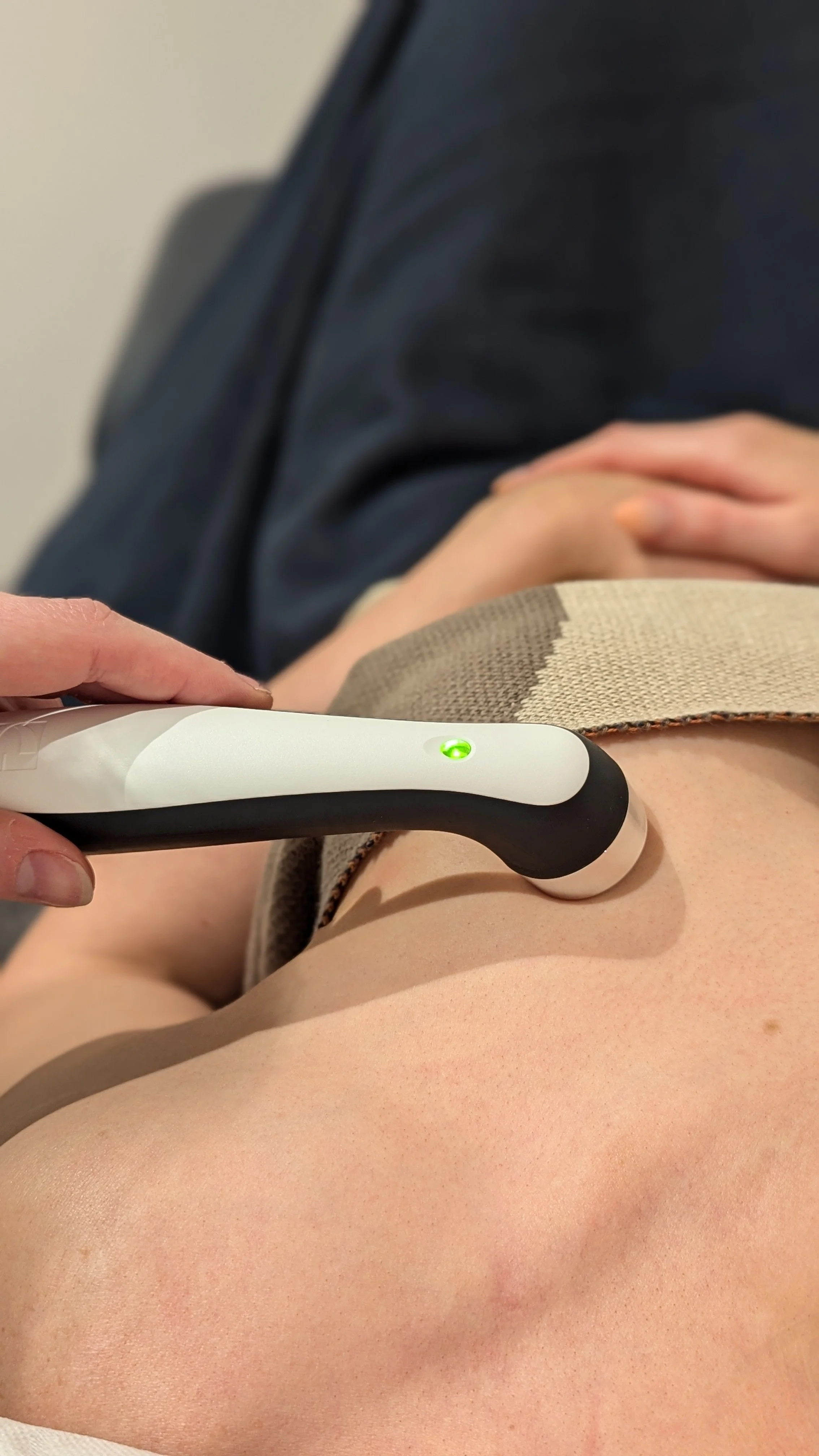
How therapeutic ultrasound works
There is evidence that therapeutic ultrasound may:
Improve local blood flow
Encourage lymphatic drainage
Reduce swelling
Reduce pain through sensory nerve effects
Influence tissue permeability
In non-infective mastitis, early ultrasound may reduce progression and support resolution.
In infective mastitis, antibiotics are often required. This decision sits with your GP or OB.
Ultrasound can still be supportive once antibiotics have commenced and evidence suggests it may assist tissue response alongside medical treatment.
Most women report:
Reduced pain
Reduced swelling
Improved comfort during feeding
Our goal is to reduce inflammation and restore comfortable milk flow as efficiently as possible.
Do I still need antibiotics?
If mastitis is infective, antibiotics are usually necessary.
Signs that warrant GP review include:
Persistent fever
Worsening redness or swelling
Feeling systemically unwell
No improvement within 24–48 hours
We work alongside your GP where needed.
This is collaborative care.
What you can do early
Alongside treatment, early management matters.
Continue feeding responsively
Avoid aggressive massage
Avoid excessive pumping
Use cold compresses after feeds
Rest where possible
Consider anti-inflammatory medication if appropriate and discussed with your pharmacist or GP
Calming inflammation is more effective than forcing milk through.
A final word
Blocked ducts and mastitis can feel sudden and intense.
They are also common and treatable.
Early support makes a difference.
If you are unsure whether what you are experiencing is a blocked duct or mastitis, we are here to assess and guide you. You can book in online, here.
Quietly. Without judgement. With full support.