

What Is Functional Health Testing? A Naturopath's Guide
The traditional, clinical approach may not always provide a direct diagnosis or answer for health issues. Symptoms like brain fog and prolonged bouts of fatigue can have multiple contributing factors related to diet, nutrient intake, and hormone levels, which can be hard to diagnose.
Naturopaths use a holistic approach to find the potential causes of ‘unexplained’ health issues by investigating the state of different body systems. To ensure that the findings are grounded in evidence, we use functional testing to build a clear picture of how well our clients’ body systems are working.
The Functional Testing Approach
Functional testing goes beyond standard GP referrals to assess gut health, hormone levels, nutrient status, metabolic function, and microbial balance.
Think of it like a full body checkup that reveals how well different parts of your body, like your gut, blood, and hormonal balance are working together.
From the type and level of minerals in the blood, to good and bad bacteria in the digestive system, functional testing provides an accurate picture of deficiencies and excesses within the body’s systems that are driving symptoms.
What’s Included in Functional Testing?
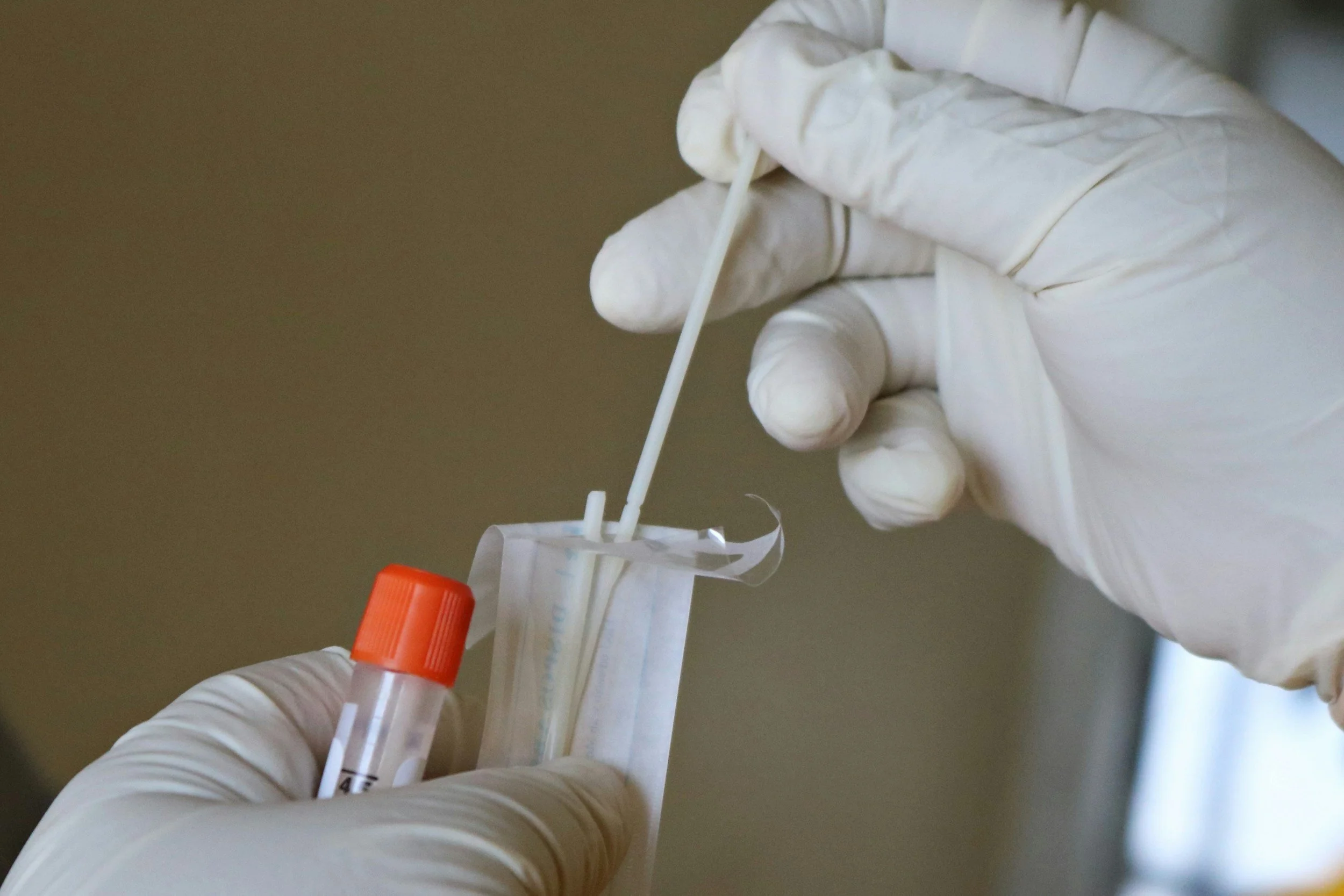
Functional testing can be carried out in various ways for different body systems. A naturopath will apply functional tests including:
Blood Test
Blood tests are taken to measure nutrient and hormone levels for iron, B12, vitamin D, thyroid-hormones, insulin, blood lipids, and cortisol.
Stool Sample Screening
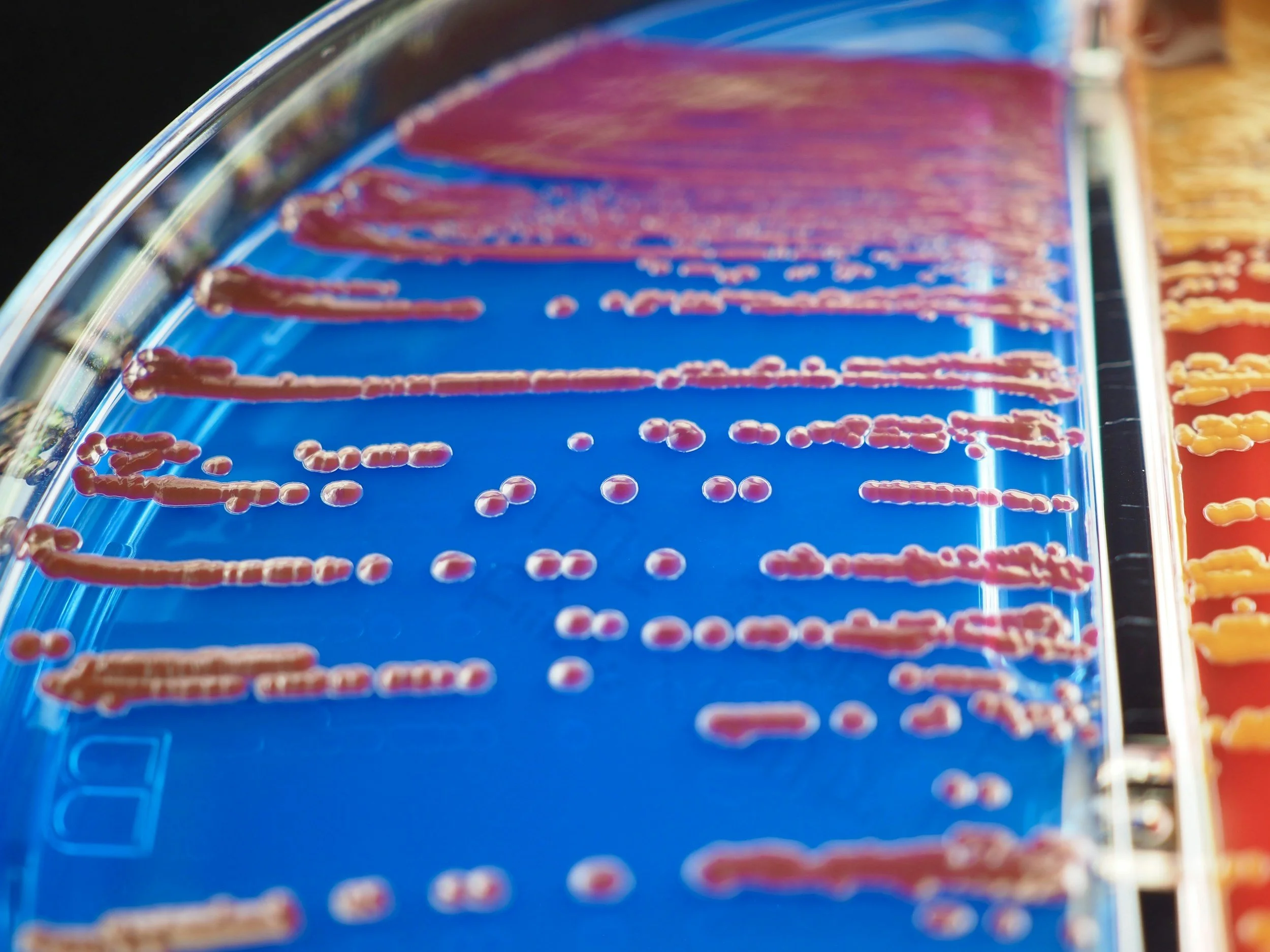
Comprehensive Stool Analysis (CDSA) and Small Intestinal Bacterial Overgrowth (SIBO) tests help naturopaths to map out the microbiome of a person’s gut. Gut testing can reveal the presence of harmful pathogens or parasites, as well as the state of the gut lining and the immune function within the digestive system.
Vaginal Microbiome Mapping
Naturopaths take a swab of the vaginal area and have it analysed to identify bacterial infections that are causing discomfort. This testing is more comprehensive than a swab done by a general practitioner, and includes follow up recommendations on treatment to address any infection or microbiome imbalance.
Hair Tissue Testing
Hair Tissue Mineral Analysis (HTMA) measures the mineral composition of hair to determine the level of nutrients and presence of toxic elements like heavy metals in the body. HTMA is non-invasive and reveals the root cause of chronic fatigue, mood disorders, and metabolic issues.
Organic Acids Test
Organic Acids Test (OATs) involves a urine test to measure the body's metabolic process. A surplus of certain organic acids indicates a deficiency in metabolic processes, whether due to a lack of certain nutrients, enzymes, or toxic elements.
What Is the Difference Between Clinical and Functional Testing?
When you see a doctor, they will typically pair your symptoms and test results with a known condition through a process of elimination called differential diagnosis.
Functional testing goes deeper than standard diagnostics to identify the root causes of symptoms of an unhealthy gut. Naturopaths use functional testing to identify imbalances, and uncover root causes before they develop into more serious conditions.
With the results in hand, naturopaths tailor treatment to restore balance and optimal function in the affected parts of the body.
In many cases, treatment supported by functional testing can resolve unexplained symptoms that are difficult to diagnose, like brain fog, stomach bloating, mood swings, and sudden weight gain.
The insights from functional testing shape a personalised treatment plan designed to restore balance and support your body where it needs it most. This might include clinical nutrition, supplements, physiotherapy, or topical therapies.